When I got home from seeing Wicked: For Good, I turned on my TV and happened to catch the glorious final 10 minutes of the cinematic masterpiece that is Mamma Mia! The contrast of one movie musical with another got me thinking about how important it is for the actors to be strong singers and the impact that has on the film, whether deliberate or not. Where my ears had been blessed by Cynthia Erivo and Ariana Grande’s vocal talents for most of the afternoon, there was just something about Stellan Skarsgård and Colin Firth’s not-so-dulcet tones that equally soothed me. Then there are other films, like La La Land, where the singing ability is much closer to middle-of-the-road which gives the film a different feel. So, looking primarily at these three examples, just how important is vocal ability at the pictures?
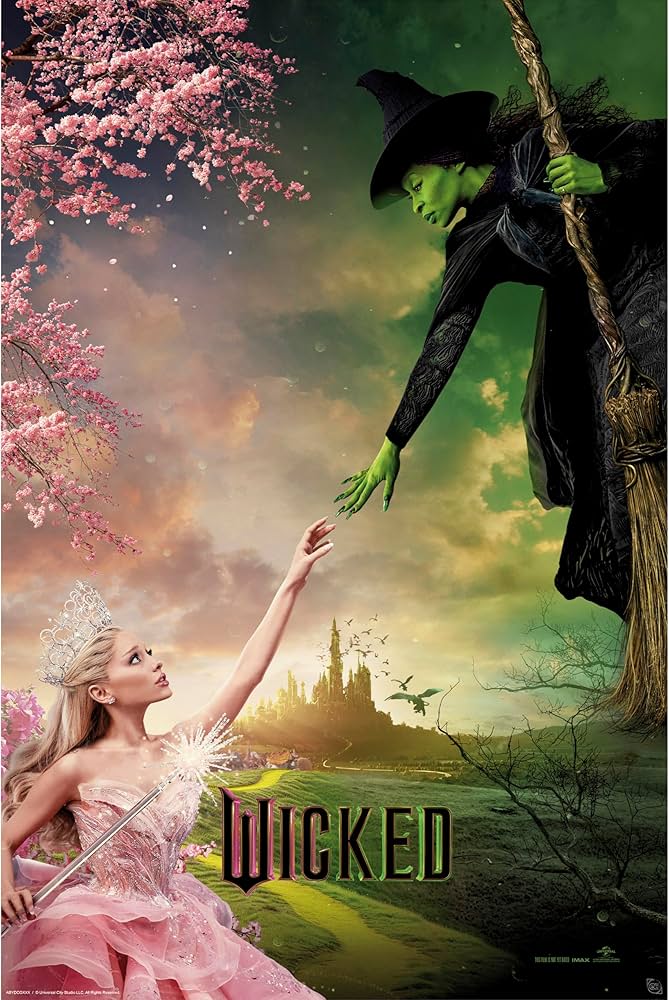
Adapting a Broadway or West End musical for the screen brings with it a certain pressure. With the exception of a handful of comic relief parts (and the odd dodgy bit of stunt casting), a performer would not get a role in one of these shows without exceptional vocal ability. When that exceptional vocal ability comes in the form of Broadway legends Idina Menzel and Kristin Chenoweth, you have even more pressure when it comes to casting for the big screen. Whilst Ariana Grande is certainly a good commercial choice due to her stratospheric fame, Wicked definitely seemed to cast for ability, with both Grande and Erivo delivering brilliant vocals that impressed both technically and emotionally. These are two of the most known and beloved female roles in musical theatre and a Wicked without vocal powerhouses at the fore, simply wouldn’t have worked. The majority of the cast are excellent singers, many having come from a theatrical background, which helps the songs to fly (excuse the pun) and makes the soundtrack worth listening to even without the film’s visuals. Unfortunately for Michelle Yeoh, this standard throughout the rest of the film only serves to highlight her poor vocals, making them stand out so much as to take you out of the film. When a standard has been set, anyone who doesn’t reach that sticks out like a sore thumb and the film suffers for it. She plays a serious, pivotal role; her lines in songs should strike intrigue or fear into the audience, they shouldn’t be omitted or cause for distraction. Her casting seems to be an example of casting for acting ability, name or relationship (having previously starred in John M Chu’s Crazy Rich Asians), and whilst there are other cast members who are not on par with the Erivos of the film (ahem Jeff Goldblum), they can still carry a tune and deliver the song in a way that fits their voice. There is precedent for casting parts for acting skill and name, for example, Russell Crowe in Les Mis, and when this happens it feels like a missed opportunity. Fans can’t help but think og who else could fill the role. Likewise, for many if they go to see a show on stage, they often aren’t going for a name but for the show itself, particularly in the case of cultural behemoths like Wicked or Les Mis; they just want to see the best show possible. Show business is a business after all, but casting someone of a lower calibre, no matter how few lines they have to sing, when those around them are in the upper echelons.
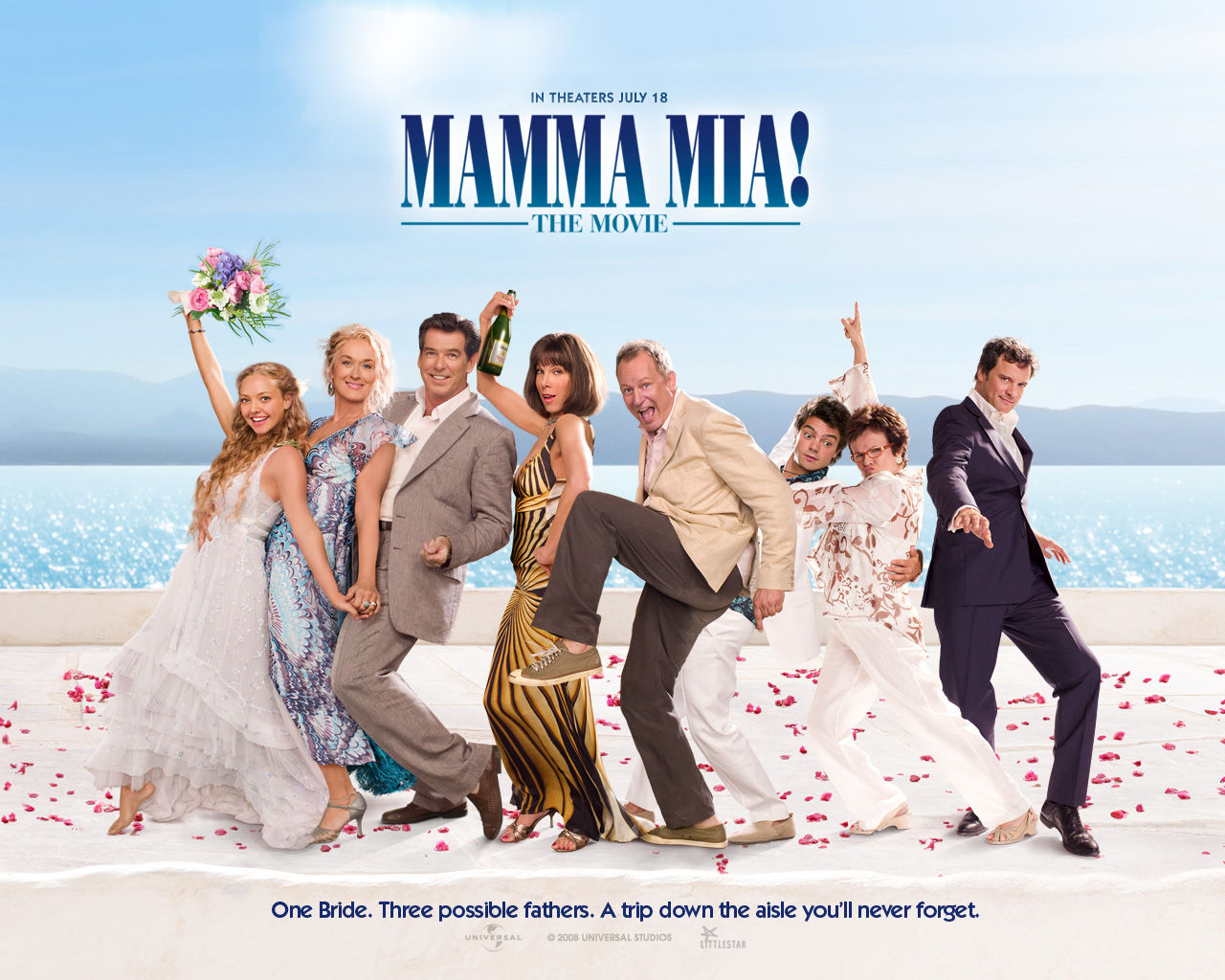
On the other hand, I firmly believe that Mamma Mia! would not be as good or enjoyable if all of the blokes could sing and I will die on this hill. Mamma Mia! is a fun, feel-good film, it is an entirely different beast to Wicked and thus different rules can apply. Its songs were originally pop songs, entirely separate from the wonderfully convoluted story they are slotted into and, mainly, don’t carry too much weight story-wise. Now, should all of the actors have been lacking musically, it might have been a bit of a drag, but the fact that the women are mainly strong singers (some excellent) helps to do a lot of the heavy lifting, but mainly the fact that every actor is brilliantly charismatic and plays their role to a T means that you just get swept up in the fun of it all. I will actively choose to listen to Pierce Brosnan stumble his way through SOS than listen to ABBA nail it (sorry, ABBA, no disrespect). It feels like you are almost in on a joke and you are watching people clearly trying and having a great time, irrespective of their vocal prowess. The chemistry of the cast carries over to the songs in spite of some rough notes and the collective love for these actors outside of these films translates to the screen. If everyone was a top-notch singer, the film would feel a little too polished and lose some of the looseness that gives it its care-free feel. The more emotional songs are sung by those who can handle them (Meryl Streep swinging her red shawl around on the side of a cliff, anyone?) and otherwise are part of the light-heartedness that characterises the musical. The more heartfelt moments involving those less musically gifted are mainly done through dialogue. It is a film with a lot of heart but it isn’t as dark or serious as the likes of Les Mis, so it can afford not to have great singers without it negatively affecting the story. It allows audiences to feel more a part of the fun as goodness knows not all of us singing along would have what it takes to make it to the Broadway stage.
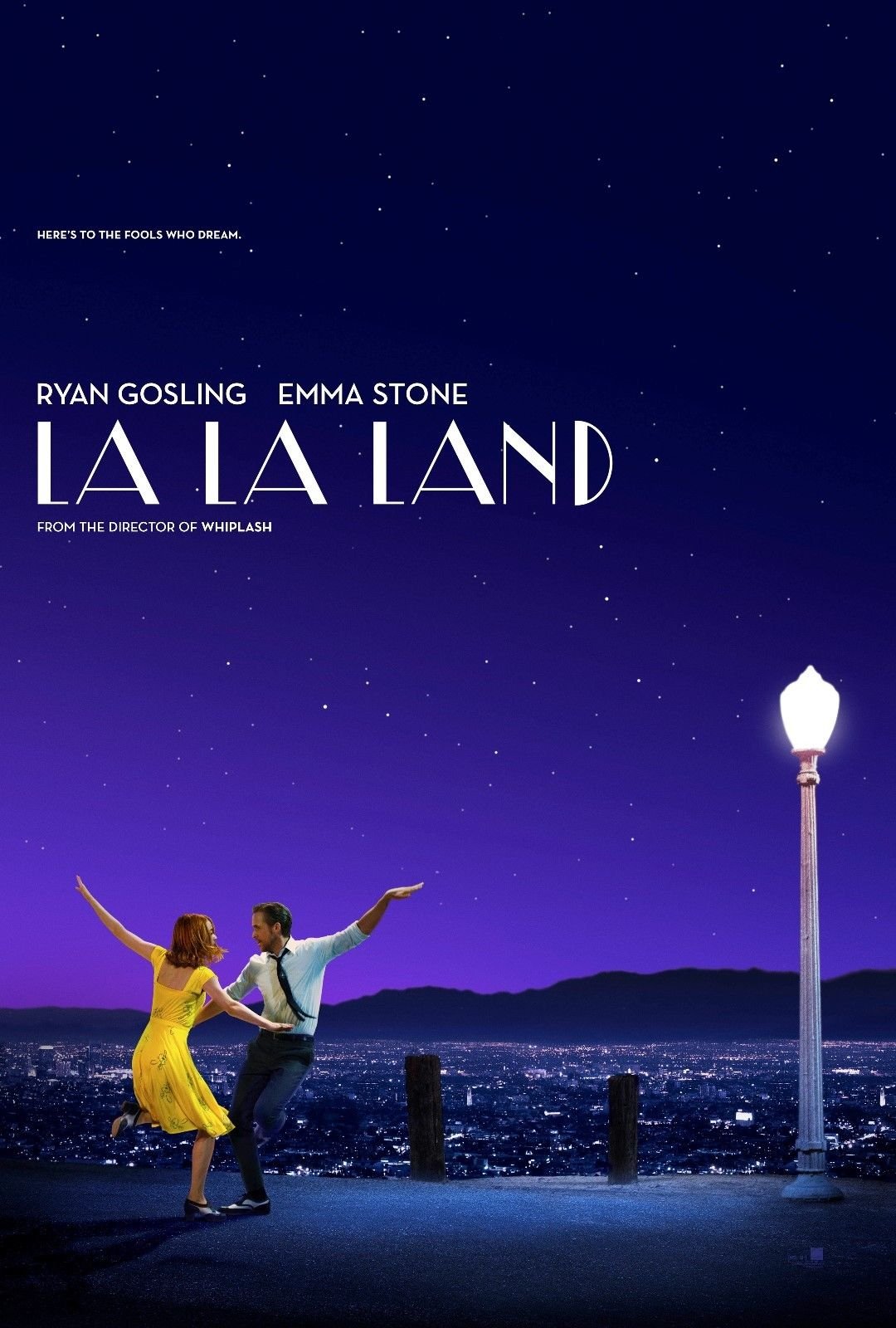
Somewhere in the middle of this we find La La Land. Whilst lauded upon its release (before the inevitable Awards Season backlash), the main criticism that even fans of the film found was in the actors’ singing ability being weaker than they liked or were used to from the big Hollywood musicals it was paying homage to. Absolutely not on the level of Firth or Brosnan, Emma Stone, Ryan Gosling and the ensemble players can absolutely hold a tune but are not all the strongest singers. They don’t have powerhouse vocals or jaw-dropping technique. However, I think it is part of La La Land’s charm. Their voices allow more emotion to come out in their songs in a more naturalistic way, compounded with them being recorded live while they are acting out the scene, even allowing little intimate flourishes like a genuine laugh to sneak in. Their closer-to-average voices bring a sense of realism to the piece. Whilst the film does have the big numbers of a traditional Hollywood musical, it still has Damien Chazelle’s indie temperament running through its veins and what feels like a much more grounded story. Our protagonists’ problems feel real and tangible and aren’t magicked away; their love story isn’t tied up in a big bow. Their voices fit with the greater sense of realism and make the characters much more relatable to the audience. Sometimes it can be frustrating as some of the songs feel like they could have really soared further (even the ensemble-based opening number), their voices fit the story they are telling which is the ultimate goal. Plus, as an original movie musical, they aren’t competing with a Broadway cast recording that audiences have been listening to for years; there is nothing to ‘live up to’ so they are free to go their own way.
How much an actor’s vocal ability affects a film is really dependent on the type of film or story at play, as well as the cast around them. An adaptation of a beloved stage show full of vocal theatrics and powerhouse numbers? You’d better call the professionals. A fun, frivolous affair? As long as there is enough singing talent across the cast to hold it together, the actor’s charisma can see it through without needing to belt. A grounded story about everyday people? The voices of the masses (that can still hold a tune) might be your best bet. I love some films for their poor singers and am frustrated at others for the same reason. Take each one as it comes, and hopefully the casting directors will know what to do.


