This week Spiderman: Brand New Day overtook Titanic to claim the title of 4th highest grossing film of all time (not adjusted for inflation). It is a phenomenal feat for a film that has only been out for a little over a month, but, as with pretty much every new entry onto that famed list nowadays, it raises the question of whether the modern box office shows little more than brand loyalty. Does the achievement mean what it once did?
[For the purposes of this feature, inflation and rereleases are a discussion for another day. As are the reduced theatrical windows of our times. All very important factors but secondary when it is merely the ‘highest-grossing films’ table that is treated as a modern milestone]
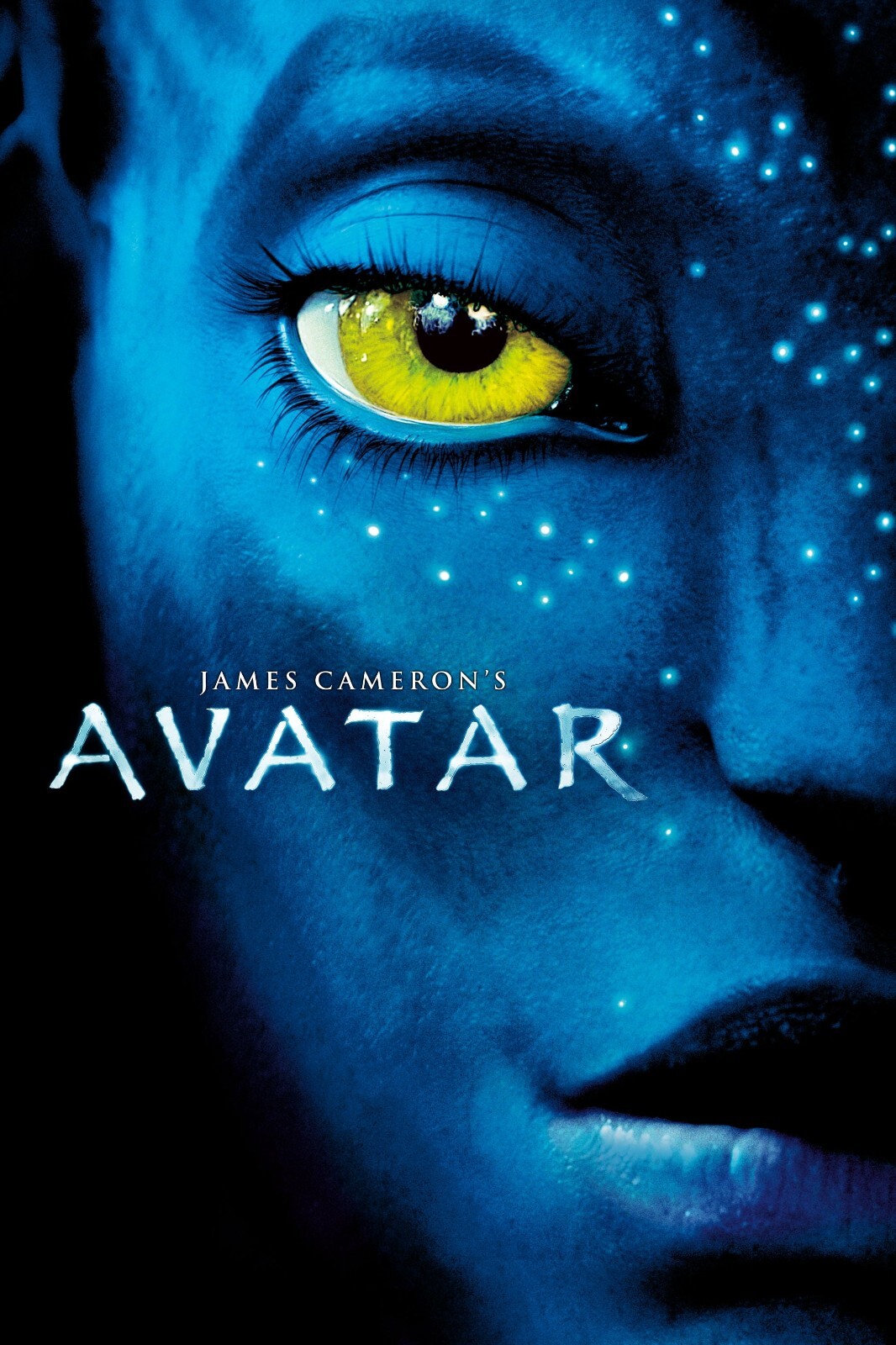
The list of highest-grossing films of all time is absolutely dominated by franchise releases. Titanic and Avatarstand alone as the only original films left in the top 25. Within the top 50, Frozen is the only other original entry, with all others being sequels, spinoffs or remakes, with the exception of six other films that are all based on various forms of IP, plus The Odyssey, based on one of our oldest stories (but in real terms not based on popular, modern IP). Sitting at number 2 on the list is the mother of all franchise films – Avengers: Endgame. It is not ridiculously far behind Avatar at number 1 (and this year’s rerelease is likely to threaten its position), yet, to me, its box office achievements are far less impressive. The culmination of more than a decade of MCU releases, and a crossover film of what are effectively multiple other franchises under the same umbrella, it attracted a built-in audience of the scale never before seen. The MCU itself is an achievement and what it built to at its apex is not to be sniffed at (especially seeing how it has struggled since), but at the box office, its stratospheric numbers mean less than they do for an original film. Avatar pulled in even bigger numbers based on no sense of previous investment but a compelling story, astonishing visuals and the use of new technology that demanded to be seen on the big screen. It was subsequent word of mouth drove unprecedent numbers of us to the big screen. In other words: it was the film itself that attracted audience members, not a brand name or position as the climax and completion of years of investment. Franchise box office numbers are less organic and more preordained; not a genuine sign of quality or cultural phenomenon in and of a film itself, but the result of an outsized legacy, the culmination of something that had been building for a long time across a breadth of previous output and pulling from a huge demographic.
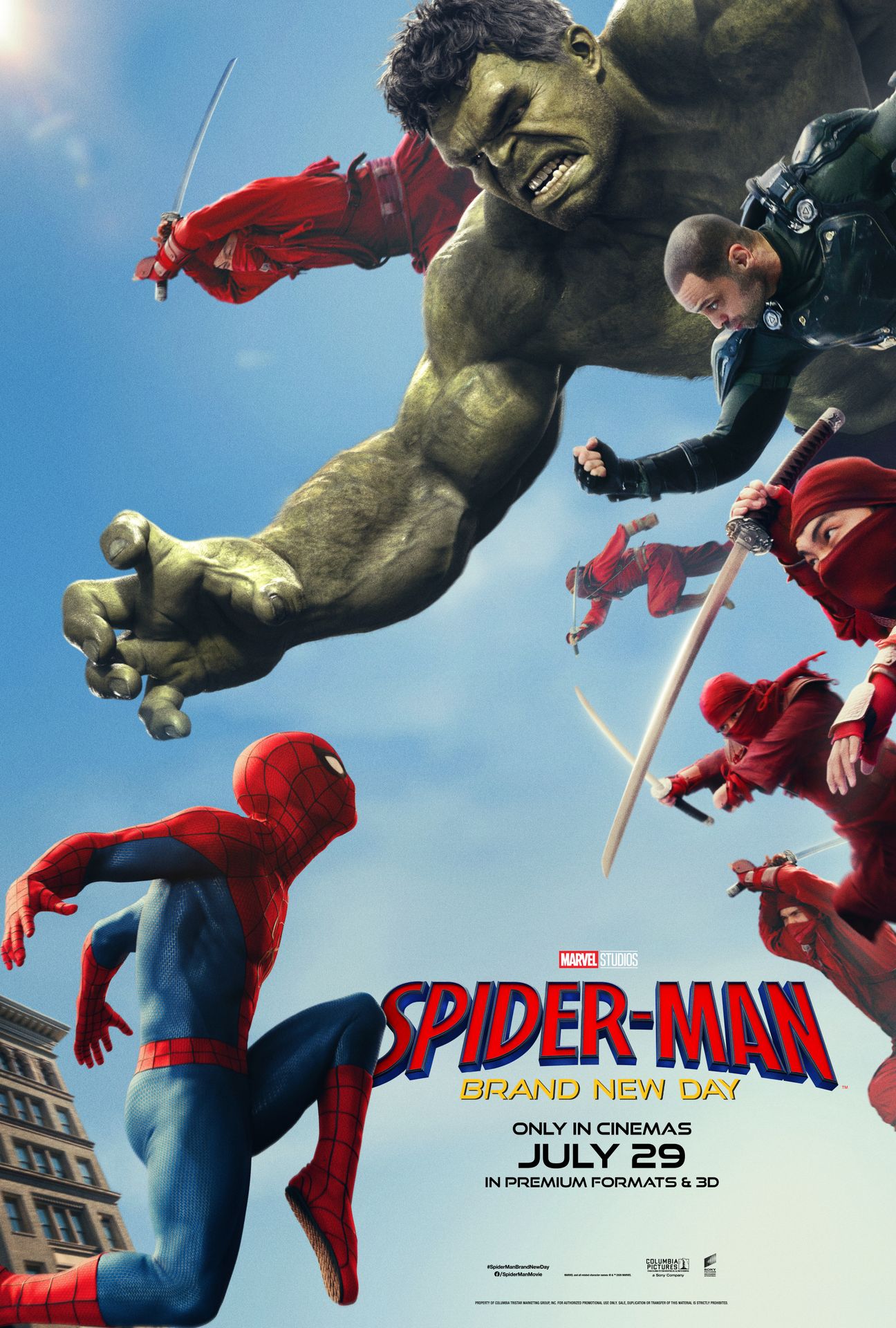
The latest Spiderman being a box office success is of no surprise. It is the fourth instalment in its own series, part of the wider web of the MCU and the third big-screen iteration of the character in less than that many decades. Not to mention a superhero who made his comic debut way back in 1962. Safe to say this film is not a standalone, but standing on a massive history that has brought in generations of fans, and its box office success does not entirely rest on the film itself. This is not to disregard the efforts of the filmmakers or the quality of the film – we know that other superhero films are no longer the safe bet they once were – Brand New Day had to be good to do this kind of exceptional box office, but it was never really at risk of being a flop (particularly when the whole Zendaya-Tom Holland of it all is taken into account, with The Odyssey lead up likely having an impact too). It is a phenomenal achievement to have leapt into the Top 4 films within a matter of weeks; it did start with a record-breaking opening weekend, but bad word of mouth would have slowed down its rake. It proves that Spiderman remains a beloved character, yet this is the highest grossing film of the franchise but not necessarily the most highly-regarded.
Huge box office numbers used to more frequently be an indication of a film hitting the zeitgeist and being beloved by audiences who felt the need to convince people they know to experience it too. Sometimes these were tentpole movies (but back before that really was a shorthand for superhero or sequel), sometimes they were unexpected hits that were successful based off of organic audience reactions. This is incredibly rare nowadays, and certainly these films do not hit the financial heights needed to break into highest-grossing lists against their IP competitors. This year saw one of these unicorn stories happen in real time with the world’s obsession with Obsession. A tiny-budget indie horror film that just hit with audiences due to its quality, effectiveness and interest in exploring topics that the generation it depicts are concerned with. It grew weekend-on-weekend (again, practically unheard of) and its box office is an emblem of its well-earned impact. The story of its success has become almost as much of a talking point as the film itself, an indication of its rarity but also the satisfaction audiences can derive from feeling like they were part of something and genuinely contributed to its success. It gives people a sense of ownership in some way, when something is unexpectedly successful purely based on audience love. This is not to say franchise films are not beloved, but many have (or in their heyday used to have) a default success rate.
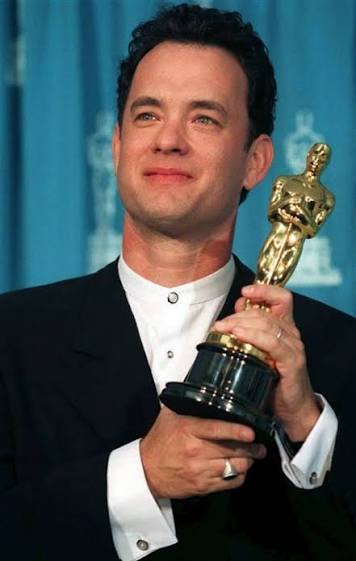
Box office has always had an element of ‘brand’ loyalty, but the loyalty used to be to people and creatives as opposed to literal brands or companies. Much has been said about the decline of the movie star (with a strong correlation to the rise of franchises and characters as the dominant driver of the box office), but it used to be the actors that would bring you to the stories. Few still possess that power and generally to a lesser degree. In rare cases, outside cinephile circles, certain directors also became household names that would serve as an attraction for moviegoers (think Spielberg). Our loyalty and intrigue used to be to the artists – we trusted their talent, taste and vision to follow them into whichever stories they chose next. This has surely accounted for some inflated box office numbers for some less-than-stellar films, but it also meant we were treated to more variety and box office statistics would offer some interesting stories. Tom Hanks or Steven Spielberg could get those initial numbers kick-started, but for a film to reach the upper echelons of the box office, it had to trade on its value alone. Again, outside of superfans, audiences often didn’t have to have the completionist approach many feel they need to in the world of the MCU. You don’t fancy seeing the latest Julia Roberts film? That’s fine, you don’t feel an obligation to in order to understand her next one. Characters and franchises are overtaking stars and filmmakers as a draw. How we choose what to see has fundamentally changed and – chicken or egg situation – so has what studios produce. We aren’t given as much choice, with the disappearance of the mid-budget movie and with the latest franchise blockbuster crowding out most other releases to be shown up to 20 times a day in each multiplex. We used to value the artistry the most. Marvel fans, for example, certainly value the artistry and type of film it is, but these elements are all closely controlled by the parent company who must make sure a throughline continues through now 38 films (let alone the TV series). It creates a sense of the familiar which flattens the box office discussion. Franchises have always been moneymakers but they didn’t used to dominate to such extremes.
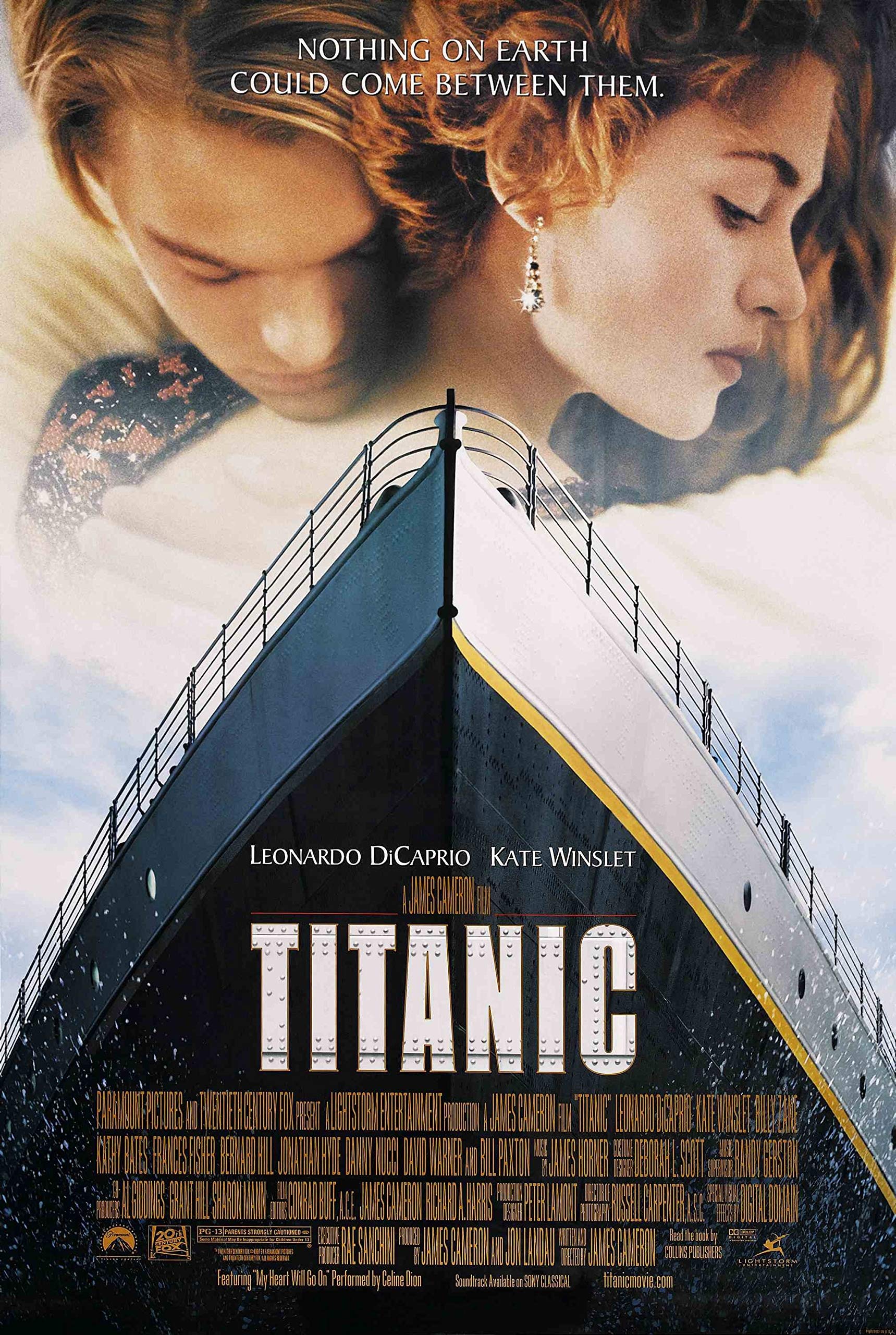
Then again, original films are not getting made or marketed at a box office level anymore. This is a vicious cycle, but films are not given the chance to become behemoths when studio budgets are routed elsewhere to the guaranteed returns of a franchise. Very few filmmakers remain name brands in themselves with enough cache to create big-budget originals that studio can bank on a return on. Nolan is one of the few genuine guarantors nowadays, but the up and comers are given less chance to flourish, with promising new talent quickly funnelled into the franchise machine (and not given the creative freedom Nolan was for The Dark Knight Trilogy). Of the Top 50 highest-grossing films of all time, Titanic is the lone film not released in this century. Expand that to the Top 100 and it is only joined by The Lion King (an original – if you excuse the Hamlet origins – and sadly vastly overtaken at the box office by its ‘live action’ remake) and Star Wars: The Phantom Menace (at the time, did franchises come any bigger?). Beyond the struggling phase the superhero market seems to be going through, this trend is showing any signs of changing. In a theatrical landscape that is only just now seeing numbers similar to the pre-pandemic era, studios are banking on known quantities to stay afloat. This is show business after all. So many films aren’t given the chances they deserve to see how far they could really go at the box office nowadays and that is a real shame.
Out of pure stubbornness, I will be rooting for Titanic and Avatar all the way as it seems unlikely any other original films will be joining them in the upper echelons of box office success. Review the Top 10 films of the year from 20 years ago or more and you’ll be greeted with a much more interesting and varied list than you are now. Many of the films on that list had a big enough impact that it cemented them in the cinematic landscape. With the prevalence of franchises, how many other great films aren’t getting to reach the audiences they deserve? To build a franchise is an achievement, but box office numbers now indicate more about the power of a brand than they do about the quality of a film. It’s a numbers game, but I guess that’s the realm of the studio execs.


