With the latest adaptation of Jane Austen’s perennial classic, Sense and Sensibility set to hit cinemas next week, I thought I’d explore the merits and purpose of bringing multiple iterations of the same story to the big screen or whether it is simply a more prestigious-looking way for studios to revisit the IP barrel.
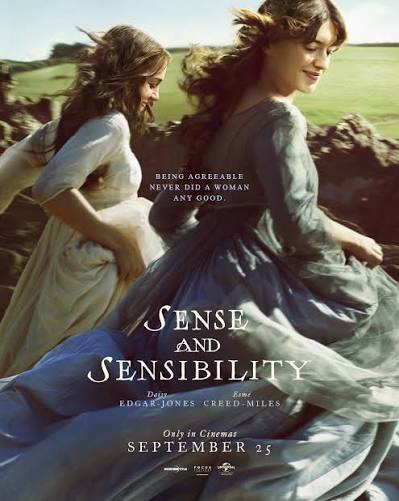
One of the main reasons often given for creating a new adaptation is to introduce a story to a new generation by making a version that speaks more to their times. This can vary from literally setting the story within the current time period (for example, the new Carrie adaptation), bringing in modern concepts and issues and placing it in a world more recognisable to the viewer. Or, in the case of re-adapting a classic period piece without a modern update (total spins of the likes of Clueless are a discussion for another day), the story is then presented in the modern film language, boasting stars more known to the younger audiences of today. 2026’s Sense and Sensibility clearly lies in the latter category. The last, and only other, big screen adaptation of the book was Ang Lee’s 1995 Oscar winner. Yes, that was 31 years ago but the film has stood the test of time; it has aged brilliantly and is populated by an ensemble cast of actors still known and revered by the generations that came after its release. It certainly hasn’t faded into oblivion (and is liable to pop up on TV fairly regularly). Perhaps because 1995 doesn’t sound that old to me (even though I wasn’t alive then), and filmmaking of the 90s is generally not alien to a contemporary audience (many 90s classics are beloved by younger viewers), it is difficult to think of it as ‘outdated’. Although maybe to someone 10 years or more younger than me, 1995 sounds like ancient history (shudders)*. New adaptations can take a more modern slant in what they choose to focus on but are still fairly constrained by the confines of the novel (unless they throw it out the window a la “Wuthering Heights”). It would make me sad if the existence of a new adaptation meant younger audiences didn’t find Lee’s version, potentially deeming it old in comparison. The films from throughout cinema history that have been canonised as classics or are still watched and spoken about today often have a timeless quality, able to connect with audiences regardless of the decade and to assume otherwise is often to overestimate the superficiality of the audience. In the case of such a successful previous adaptation, the argued need for a new take for new audiences becomes flimsy and, with big shoes to fill, places an onus on the new version to live up to its predecessor.
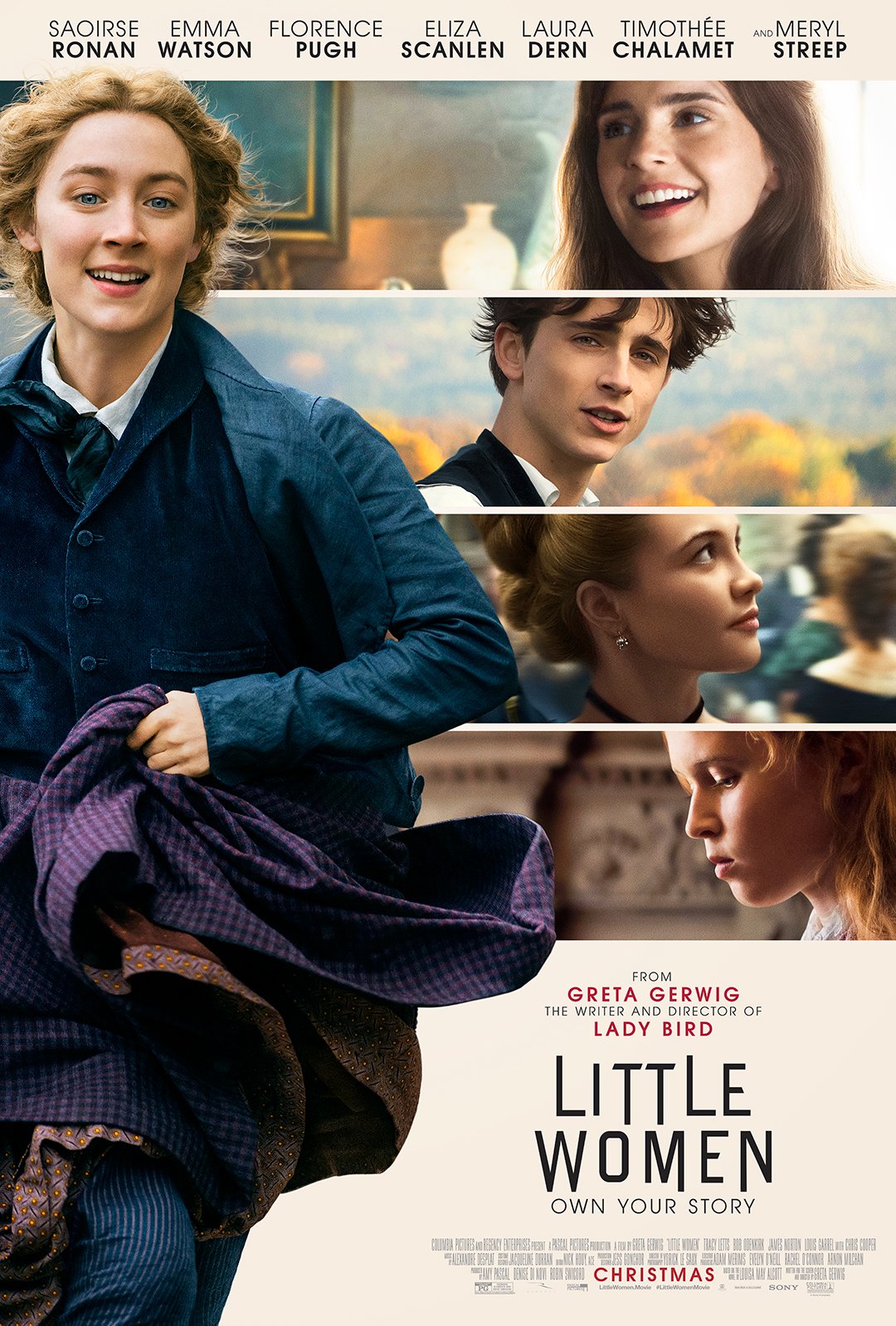
Then again, if, for whatever reason, a fresh or different perspective can engage new audiences (of any generation), that can only be a good thing. Of the several Little Women adaptations in existence, the three generations of women in my family each favour a different one. I, personally, had seen the 1994 adaptation and enjoyed it, but it wasn’t until Greta Gerwig’s 2019 iteration that I fell in love with it and became deeply attached to the characters. This could be a generational difference, yes, or really just a difference in timing or individual taste. In terms of our familial divide, the adaptation we each favour is the one released closest to the time we were young women, pertinent for a story concerned that time of life. A new adaptation released in cinemas can create a prompt or urgency to experience a story that an older adaptation on a long watchlist might not, whether that is to catch it whilst it is at the cinema (please) or later when it pops up on the ‘recently added’ carousel of a streaming service. In terms of taste, one filmmaker’s vision might connect with you more than others; in the case of Little Women, Gerwig’s voice has resonated with me across her career, so it was likely her take on the story would have a greater impact on me. In a more general sense, the differing perspectives offered by different directors may help to serve the story. When we read a book and it creates that movie in our minds, we are, to some extent, the directors ourselves; the film director is simply the one who gets to bring their idea to the big screen. In a different way to an original film, many people come to book adaptations with a vision already of what it should be, so the director’s take is not the wholly canonical iteration of a story and different filmmakers’ interpretations may align more closely with your own. Georgia Oakley’s debut film, Blue Jean, proved her as an exciting filmmaker to watch so it will be interesting to see what she does.
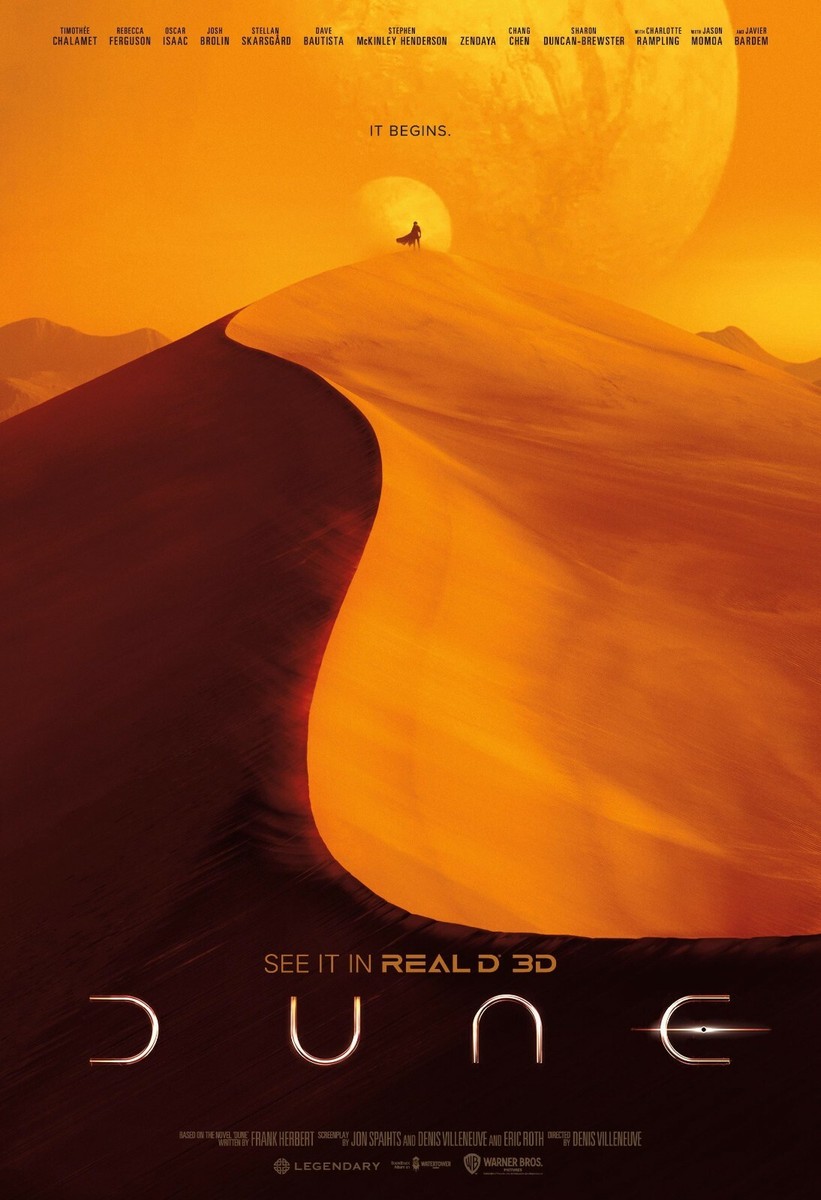
Whilst this may not be the case with this particular story, some stories outright warrant another chance on the big screen. Some initial adaptations of books have either been executed poorly or struggled to connect with an audience; their source material remains rife and with fans who believe it needs to be done justice. Just look at the differing legacies of David Lynch’s and Denis Villeneuve’s Dune films; not a cut-and-dry situation, but they each earned vastly different receptions, and few argued against a new attempt at adapting. Eve here, there could also be an element of timing in the adaptations, with new technologies and bigger budgets allowing for greater scope. There are also adaptations that were poorly received in general and strayed so far from their source material that the case for a new version is much stronger (yes, I am still upset they changed the ending to My Sister’s Keeper, to give just one example), with the resulting films inherently different to a degree that warrants both existing.
However, when an adaptation has been as successful as 1995’s Sense and Sensibility, a new version can often feel more motivated by the same cause as a remake: money. Studios can take heart in saying it is a new imagining of a book, distancing it from the cheapened label of remake, but it remains to be seen who was crying out for a new version. The story is IP after all, but prestigious IP in the form of classic literature. Cinema and television have returned to Austen countless times, yet there are specific productions that have remained in the cultural landscape and audience’s hearts and minds. With worries of a pure financial intention come concerns of studio interference and data-driven decision making in the creation of the film – something that can only be speculated about and hoped against. There is a wealth of Austen and Austen-adjacent media out there which we can hope has not be analysed to death. Regardless of its box office, it has some stiff competition for its place in the cultural landscape.
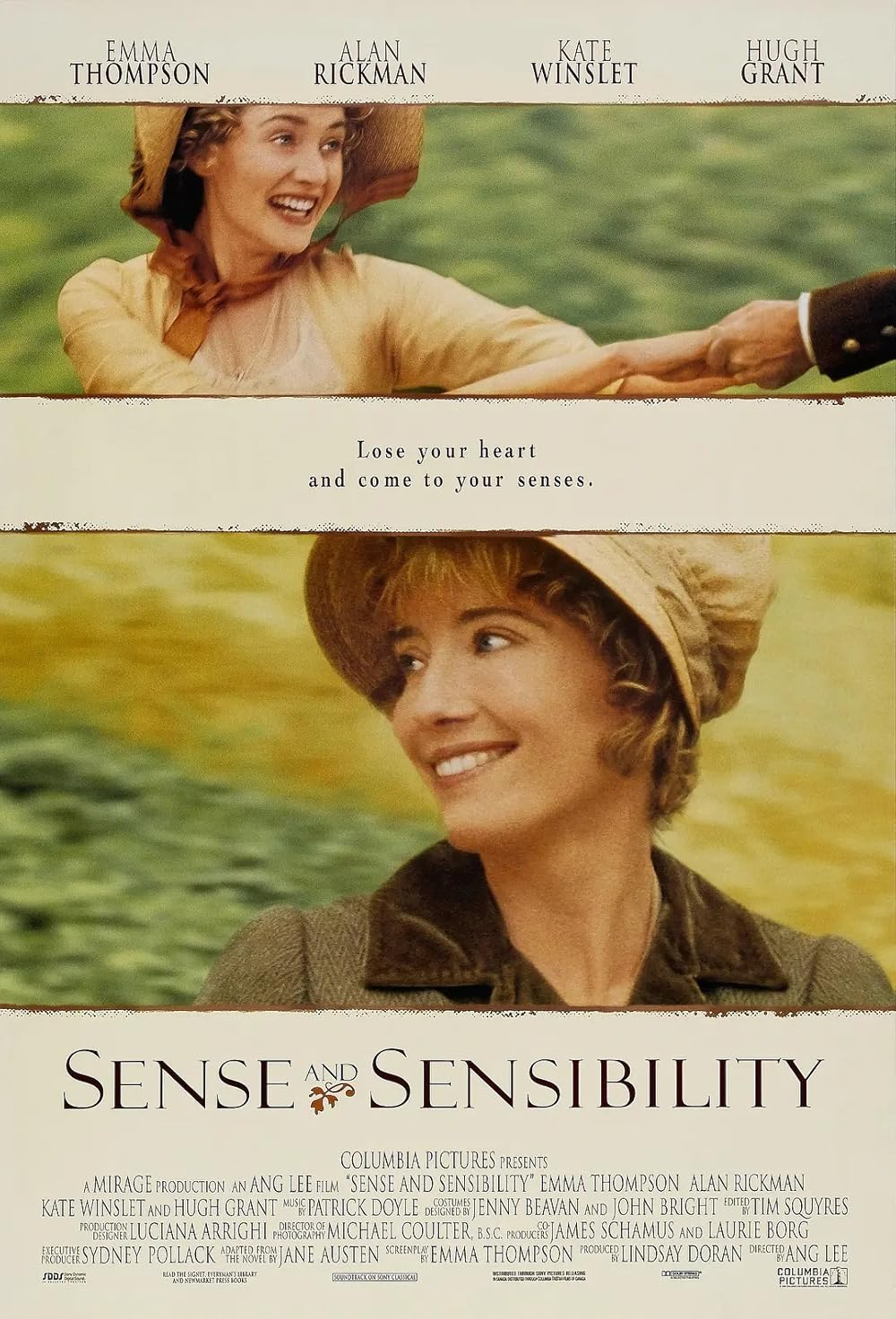
Any repeat adaptation cannot fully escape comparison to versions that have come before – if you are familiar with another adaptation, it can be hard to appreciate a new film as its own entity. In terms of Sense and Sensibility, there have been other television adaptations, but in the public consciousness and cinematic landscape, it is Lee’s version which takes the crown (and more widely is considered one of the best Austen adaptations in general). His film received seven Oscar nominations, winning for Best Adapted Screenplay (for star Emma Thompson), and was critically and commercially successful. A new iteration can invite similar feelings to a remake for those who familiar with the old (there is something jarring about watching the trailers and seeing anyone other than Hugh Grant introduce himself as Edward Ferrers, or Colonel Brandon revealing himself not to be Alan Rickman). These portrayals of characters have had three decades and repeated viewings to endear themselves to audiences. Despite being a parallel adaption of the same source material, the spectre of a highly-regarded predecessor will loom large over the 2026 version with big shoes to fill. Should the film rise to the challenge, comparison can become a point of interest – filmmakers choosing to emphasise different themes, relationships or plot points can encourage us to think differently about the stories or what draws each of us to them. We may understand things we have taken for granted or find new nuances. Then again, any screen adaptation will always find itself in comparison to its source novel for those who have read it, although the leap between entirely different mediums generally offers more grace.
So, if an adaptation is successful, is there a need for another? There are cases of not knowing what you were missing until you see it, then there are others where inadvertently entering into competition with something so highly regarded sets a new adaptation off on the backfoot. The strength of the new Sense and Sensibility remains to be seen, but the filmmaking style in the trailers and casting bode well for the film finding an audience within the new generation, but its lasting power with other audiences may be less assured.
*[judging films purely by their release year anyway is ridiculous – do it at your own risk of missing out on amazing cinema]


